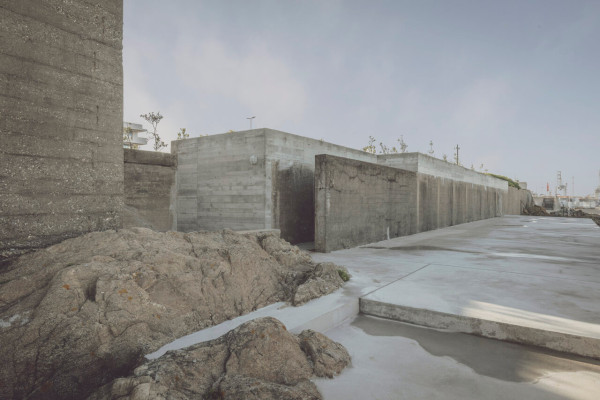
The H-ATLAS.Porto project involves the following tasks:
- 1. CONTEXTUALIZATION (international, national, regional).
- 2. INVENTORY of works and selection of projects to be documented (c. 150).
- 3. DOCUMENTATION of selected intervention practices (22).
- 4. DISSEMINATION and knowledge transfer, through different actions: collaborative workshop and conference organization, publication of a digital book and a printed book, website, participation in conferences and publication of articles, among others.
Objectives
- Looking Deeper Looking deeper into the strategies of transformation and reuse, including technical and analytical drawings (plans, sections, elevations, red/yellow, construction details), as well as other graphic, photographic and textual documentation.
- Compiling Compiling, producing and making available operational information both for students and for architectural practices on existing buildings.
- Contribution Making a first contribution to a more comprehensive Atlas of Architectural Heritage intervention in Portugal.
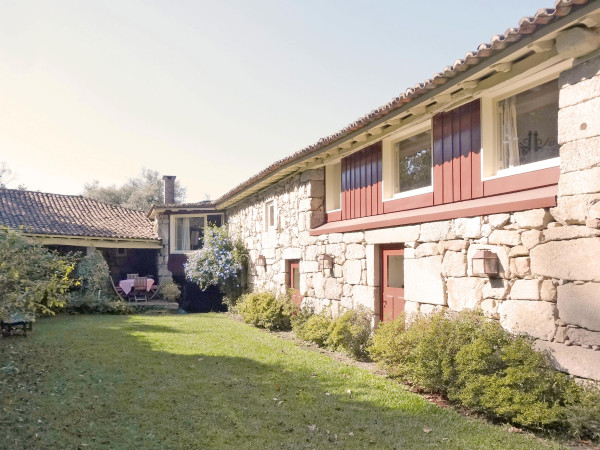
Methodologies
The research project is supported by the cross analysis and interpretation of different sources (graphic, written, oral):
- 1. Literature review and documental research (digital databases, libraries, archives);
- 2. Interviews with designers, building actors and owners;
- 3. Field work - in situ visits considering buildings as essential sources of information - comprehensive documentation (photographic survey, drone captions, 360º camera, drawings, etc).
- 4. Drawing as a research tool, providing for graphic contents (geometric-formal studies; drawings 1) before, 2) demolitions/additions, 3) as built; details).
The research collects, analyses and disseminates interventions in preexisting buildings in Portugal, completed from 1947 (ODAM) to 2022, conducted by architects trained at ESBAP (graduated until 1986). Selected works follow the criteria of being prize-winning architects and designs (or honorable mentions), publication in architectural books and journals, reference in architectural guides, inclusion in academic studies (master's and PhD theses), consensual recommendation of relevant works by the panel of experts and critics, reasonable state of conservation (no significant alterations) and with available information.
Being an exploratory project, the inventory presented here is neither exhaustive nor conclusive, but rather a dynamic instrument in permanent update and suitable to be further developed in future research.
-
Project Leader
Teresa Cunha Ferreira (FAUP, University of Porto) -
Project Co-Leader
Rui Fernandes Póvoas (FAUP, University of Porto) -
Researchers
José Miguel Rodrigues (FAUP, University of Porto)
Carlos Machado (FAUP, University of Porto)
Clara Pimenta do Vale (FAUP, University of Porto)
Nuno Valentim Lopes (FAUP, University of Porto)
Luis Martinho Urbano (FAUP, University of Porto)
Joaquim Lopes Teixeira (FAUP, University of Porto)
David Ordóñez Castañón (FAUP, University of Porto) -
Consultants
Marta Oliveira (FAUP, University of Porto)
José Aguiar (Faculty of Architecture of the University of Lisbon)
Carlos Martins (University of Coimbra)
Antonio Esposito (University of Bologna)
Nivaldo Andrade (Federal University of Bahia)
Carlos Quintáns (University of La Coruña)
Martin Boesch (University of Lugano, Accademia di architettura Mendrisio) -
Emerit Professors
Sérgio Fernandez (Professor Emeritus, FAUP, University of Porto)
Alexandre Alves Costa (Professor Emeritus, FAUP, University of Porto)
Domingos Tavares (Professor Emeritus, FAUP, University of Porto) -
Other Researchers and Staff
Eleonora Fantini, Miguel Coutinho, Clara Luz, Paulo Mota, Hugo Mendonça, Tiago Cruz, Pedro Murilo de Freitas, Juan David Piedrahita, Daniel Pereira, Frederico Barbosa, Simone Ruivo, Inês Carvalho -
Students
Mathilde Alves, Yanne Mendonça, Luiza Ielpo, Poliana Marques, Júlia Rizzo, Matheus Astore, Luiza Sant'Anna, Jade Simony, Tomer Malka, Christina Hübler
-
Funding
Fundação para a Ciência e a Tecnologia (FCT) -
Project Code
EXPL/ART-DAQ/1551/2021 -
Project Name
Atlas of Architectural Heritage Design: Contributions from the School of Porto (H-ATLAS.Porto) -
Support
Faculdade de Arquitectura da Universidade do Porto Centro de Estudos de Arquitectura e Urbanismo Fundação Marques da Silva Casa da Arquitectura -
Email
heritageatlasporto@gmail.com -
Project Leader
Teresa cunha ferreira
tferreira@arq.up.pt -
Faculdade de Arquitectura da Universidade do Porto (FAUP)
Via Panorâmica S/N 4150-564 Porto -
Unesco Chair Heritage, Cities and Landscapes. Sustainable Management, Conservation, Planning and Design
catedra.patrimonio@arq.up.pt